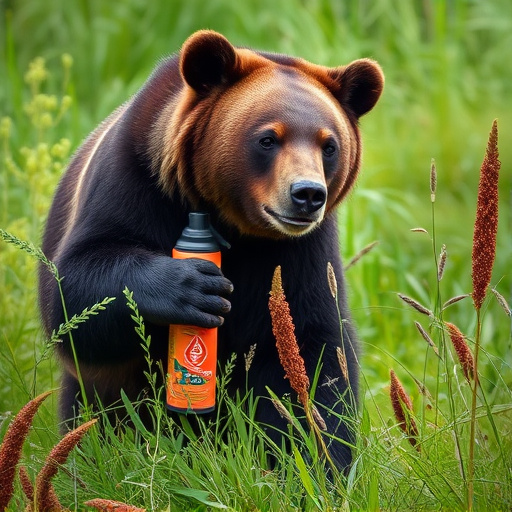
Bear spray offers 30-foot protection against bears but its range and duration are affected by soil contamination, wind, temperature, humidity, and proper application techniques. Understanding these factors is crucial for minimizing environmental impact while ensuring safety during encounters.
In encounters with bears, knowing the effective range of bear spray is crucial for safety. This article delves into the topic, revealing that bear spray has a surprising maximum reach of thirty feet. We’ll explore soil contamination concerns, as spray particles can travel beyond the stated range. Additionally, we’ll discuss the duration of protection and factors influencing spray effectiveness. Safety measures outside the typical range are also essential, making this guide a vital resource for anyone adventuring in bear country.
- Bear Spray Effective Range: Thirty Feet Explained
- Soil Contamination: Understanding Bear Spray's Reach
- Duration of Protection: How Long Does It Last?
- Factors Affecting Bear Spray Range and Efficacy
- Safety Measures Beyond the Thirty-Foot Zone
Bear Spray Effective Range: Thirty Feet Explained
Bear spray, also known as bear repellent, is a crucial tool for adventurers and outdoor enthusiasts navigating areas with bear populations. When it comes to understanding its effectiveness, the stated range of thirty feet (or approximately 10 meters) is key. This distance isn’t merely a marketing figure; it’s based on thorough testing and scientific data. The spray creates a barrier of capsaicin, the active ingredient, which deters bears by irritating their eyes and respiratory system.
Within this thirty-foot range, the spray forms a cloud that can effectively reach and affect both black and grizzly bears. Beyond this zone, the concentration diminishes significantly, making it less reliable for protection. It’s important to remember that factors like wind direction and weather conditions can influence the actual effective duration and range of bear spray, highlighting the need for proper usage techniques and regular reapplication during extended encounters.
Soil Contamination: Understanding Bear Spray's Reach
The effective range of bear spray, at thirty feet, is a critical factor to consider for safe and effective use. However, it’s essential to understand that this reach isn’t just about distance; it also involves soil contamination. When bear spray is used, it can settle onto the ground, becoming a potential hazard for other wildlife and even humans if not disposed of properly. The duration of its effectiveness on surfaces varies, depending on weather conditions, with factors like wind and rainfall quickly diluting or washing away the spray.
Soil contamination from bear spray can impact the ecosystem by affecting plant life and groundwater. It’s crucial to be mindful of where and how bear spray is used to minimize its environmental reach. Proper disposal methods and awareness of the spray’s behavior in different environments are key to managing soil contamination, ensuring both human safety and ecological preservation.
Duration of Protection: How Long Does It Last?
The effectiveness of bear spray depends not only on its reach but also on how long it provides protection. Typically, a single burst from a can of bear spray is effective within a range of thirty feet. However, the duration of this protection varies based on several factors including wind speed and direction, the angle at which the spray is applied, and environmental conditions such as temperature and humidity.
In ideal conditions, bear spray can create a protective barrier that lasts for several minutes, giving users crucial time to retreat or defuse the situation. However, bear spray’s soil contamination duration—how long it remains effective on surfaces and in the environment—is also significant. Proper application and understanding of the spray’s characteristics are essential to ensure maximum effectiveness during encounters while minimizing environmental impact.
Factors Affecting Bear Spray Range and Efficacy
The effective range of bear spray is often touted as thirty feet, but several factors can influence its performance. First and foremost, soil contamination plays a significant role. If the spray canister has been exposed to dirt or moisture, it can reduce the overall range and efficacy of the spray. The environment also comes into play; wind, temperature, and humidity can all impact how far the spray travels and how well it dissipates after discharge. Additionally, duration is critical; bear spray works by temporarily blinding and distracting bears, so the longer the spray remains active on the target, the more effective it is likely to be within its stated range.
Other considerations include the angle of discharge and the specific chemical composition of the spray. Proper technique, such as aiming for the face and eyes of a bear, can maximize the spray’s impact even at shorter distances. Moreover, newer formulations designed for improved penetration and longevity can extend the effective range and ensure better protection in close encounters with aggressive bears.
Safety Measures Beyond the Thirty-Foot Zone
While bear spray is incredibly effective within a thirty-foot range, it’s important to understand that its reach doesn’t stop at this mark. Beyond this zone, the spray’s effectiveness diminishes significantly due to evaporation and wind dispersal. However, taking precautions even after the initial reach of the spray can be crucial for safety.
Bear spray soil contamination is a concern as traces of the chemical can linger on the ground long after use, potentially affecting non-target animals and plants. Duration of efficacy varies based on environmental factors like temperature and humidity. Therefore, users should remain vigilant even when outside the stated range, using other deterrents or escape routes if necessary.
Bear spray is an essential tool for navigating potentially dangerous encounters with bears, but understanding its effective range and limitations is crucial. With a reported range of thirty feet, it’s important to recognize that soil contamination can extend this reach, affecting the spray’s efficacy over time. Additionally, factors like wind and angle play a role. Beyond the initial 30-foot zone, taking safety measures such as making loud noises and ensuring quick escape routes is vital for comprehensive protection during bear encounters.