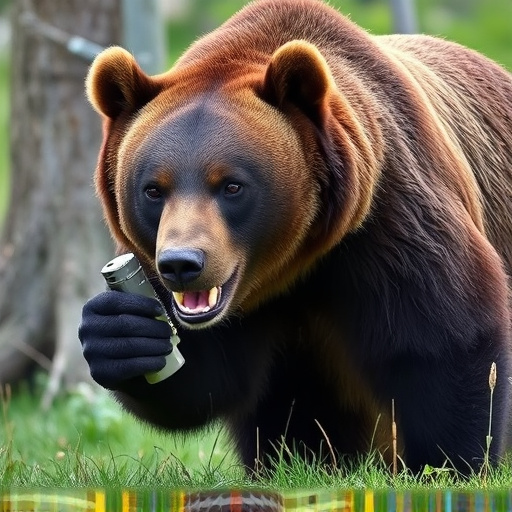
Bear spray, a specialized aerosol repellent, effectively protects against aggressive bears within a 30-foot range by temporarily blinding and disorienting them. Its performance is influenced by environmental conditions (temperature, humidity, wind speed), topography, and surface types, which impact the duration of its effectiveness and soil contamination. Safe usage practices include checking expiration dates, aiming at the bear's face from 20-30 feet away, avoiding windy conditions, and responsible disposal to maximize spray duration while minimizing environmental impact. Real-world effectiveness varies depending on open spaces, forests, or mountainous terrain, posing challenges like reduced range, soil contamination, and unpredictable protection in diverse outdoor settings.
“Discover the power of bear spray as a vital tool for personal safety in wild environments. This comprehensive guide explores the science and effectiveness of bear spray, delving into its active range and how various factors influence its soil contamination duration.
From understanding the chemical composition to mastering application techniques, we’ll navigate best practices to ensure maximum protection. We’ll also analyze real-world scenarios, showcasing the diverse environments where bear spray can be a game-changer, especially when navigating through bustling wilderness landscapes.”
- Understanding Bear Spray: What It Is and How It Works
- The Science Behind Bear Spray's Effective Range
- Factors Affecting Bear Spray Soil Contamination Duration
- Best Practices for Using Bear Spray Safely and Effectively
- Real-World Scenarios: Bear Spray Range in Different Environments
Understanding Bear Spray: What It Is and How It Works
Bear spray, also known as bear repellent, is a specialized aerosol designed to deter and protect individuals from aggressive bears. It’s more than just a typical pepper spray; it’s formulated specifically to combat the powerful sense of smell and high sensitivity to irritants that bears possess. The spray creates a barrier between the user and the bear by emitting a fine mist containing capsaicin, the active ingredient found in chili peppers, along with other deterrents.
When used correctly, bear spray can be highly effective within a specific range. Typically, it’s recommended for use at close to medium ranges, typically up to 30 feet (9 meters) away from the bear. The spray creates an irritant layer on the bear’s face and eyes, temporarily blinding and disorienting them, allowing the user time to retreat or defend themselves. It’s crucial to understand that the effectiveness of bear spray isn’t just about its range but also factors like soil contamination, weather conditions, and proper application technique. Users should regularly check for any signs of degradation or contamination in the spray can, as this can impact its duration and overall performance during encounters.
The Science Behind Bear Spray's Effective Range
The effectiveness of bear spray is rooted in its ability to create a chemical barrier between the user and the bear, causing the animal to retreat. The spray’s active ingredient, typically capsaicin, disrupts the bear’s sensory perception, leading to temporary blindness and coughing fits. This disruption plays a crucial role in reducing aggression and allowing for safer escape or evacuation.
The range at which bear spray is effective varies based on several factors, including wind conditions, terrain, and the specific product used. In ideal scenarios without wind, bear spray can be effective up to 30 feet (9 meters). However, in less than optimal conditions, like high winds or rugged terrain, the effective range may decrease significantly due to the spray’s dispersal. Moreover, proper application is key; aiming for the bear’s face and eyes increases the likelihood of a successful deterrence, minimizing the amount of spray that becomes soil contamination.
Factors Affecting Bear Spray Soil Contamination Duration
Several factors influence how long bear spray remains effective and minimizes soil contamination. One key factor is environmental conditions; temperature, humidity, and wind speed can impact the evaporation rate of the spray. Colder temperatures tend to slow down evaporation, prolonging the active period of the spray on the ground. Conversely, higher humidity levels may also extend its duration as water content in the air can affect how quickly the spray dries.
Wind plays a crucial role in dispersing the bear spray particles, and stronger winds can lead to faster contamination of the surrounding area. Topography is another element; in areas with inclines or slopes, the spray may run downhill more swiftly, potentially contaminating nearby vegetation or soil more rapidly. Additionally, the type of surface where the bear spray lands matters; porous soils or rocky terrain can absorb and retain the spray for longer periods, while smooth, water-permeable surfaces might lead to quicker dissipation.
Best Practices for Using Bear Spray Safely and Effectively
Using bear spray safely and effectively requires adherence to best practices designed to maximize its deterrent range and prevent soil contamination. First, always ensure your spray is up-to-date and has not expired. Check the label for expiration dates and proper usage instructions. Second, familiarize yourself with the recommended distance for application. Typically, bear spray should be sprayed directly towards the bear’s face from a safe distance, usually between 20 to 30 feet (6 to 9 meters). Aiming low, at the bear’s legs or chest, can increase the effective range as the spray will have less chance of blowing away.
To avoid soil contamination, which can render the spray ineffective and harm the environment, never spray in windy conditions. Bear spray is designed to stick to the bear’s fur, not the ground. Additionally, avoid spraying in areas where non-target wildlife or plants are present to minimize ecological impact. After use, properly dispose of the canister according to local regulations, ensuring it does not end up in natural habitats or water bodies.
Real-World Scenarios: Bear Spray Range in Different Environments
In real-world scenarios, the effectiveness of bear spray is influenced by various environmental factors. When used correctly, bear spray can be a powerful deterrent in different environments. In open, flat areas with good visibility, the range of bear spray is typically maximized due to minimal wind and no obstructions. Studies suggest that in such conditions, spray can reach up to 30 feet (9 meters), providing a significant safety buffer for hikers and campers.
However, in more challenging environments like dense forests or mountainous terrain, the duration and range of bear spray can be reduced significantly due to soil contamination from the spray itself and natural barriers. Bear spray particles can adhere to vegetation and terrain, leading to shorter effective ranges. Additionally, wind patterns and elevation changes can impact the spray’s trajectory, making it less predictable. Understanding these variables is crucial for users to ensure optimal protection in diverse outdoor settings.
Bear spray has proven to be an effective deterrent against bear attacks, with its range and soil contamination duration playing vital roles in ensuring safety. Understanding the science behind its effectiveness and the factors influencing its longevity is key to maximizing its utility in real-world scenarios. By following best practices for usage and being aware of environmental variations, individuals can enhance their chances of staying safe while outdoors in bear country.